Senin, 24 September 2007

Turkey Tips: Grilled and Smoked Turkey

By: Allrecipes Staff

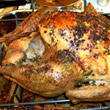
Smoked Turkey

One of the benefits of smoking a turkey is that it's almost impossible to overcook anything in a smoker. The temperature remains low and the cooking is slow, resulting in perfectly moist and tender meat with a rich, complex flavor.

The Tools

Besides a smoker, there are a few other things you'll need to smoke your turkey:

  • A large pan
  • An accurate meat thermometer
  • Wood chips--any kind of fruit wood, such as apple or cherry, complements turkey very well, but hickory, pecan, and maple will be equally good

If you're smoking a whole bird, we recommended that you choose one weighing no more than about 15 pounds--large turkeys take too long to heat all the way through. If you choose a frozen turkey, it should be thoroughly thawed before you begin. (Ensure that you have removed all the giblets and gizzards from the turkey, as well as the plastic pop-up thermometer).

Prepping

To add even more flavor to your turkey:

  • Try brining: while not an essential part of smoking a turkey, soaking in brine before cooking gives the meat maximum flavor and juiciness.
  • Rub bird with oil or butter for crispy and evenly browned skin.
  • Apply a dry rub just before smoking. (If you have brined the turkey, you should not use any salt in the dry rub).


Unfortunately, you can't stuff a smoked turkey; if you have your heart set on stuffing, you can make it separately in the oven.

Smoking Your Turkey

Once you have prepped your turkey, you are ready to begin smoking:

  • Place turkey in the pan, breast-side up.
  • Insert the meat thermometer deep into the thigh, being careful not to touch the bone or joints.
  • Run your smoker at 240 degrees F (115 degrees C).
  • Allow 30 minutes of cooking time per pound of meat.
  • Baste the turkey with its own juices a few times during smoking, but avoid opening the smoker too often; you will lose heat and increase the cooking time.


When the thermometer reads 180 degrees F (82 degrees C), pull it out of the smoker and let it rest at least 15 minutes. Carve and serve.
Grilled Turkey

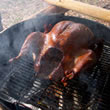
Don't have a smoker? Use your charcoal grill. A 12-pound turkey is the largest that will fit most grills.

The Tools

To grill your turkey, you'll need:

  • Good-quality charcoal briquettes: about 20 pounds
  • Disposable aluminum roasting pan
  • Soaked wood chips, if desired
  • An accurate meat thermometer
  • Tongs and heavy-duty oven mitts
  • Recommended: a thermometer on your grill or deep-fat frying thermometer placed through the vent on the grill's lid

Prepping

Follow the instructions above for Smoked Turkey.

Grilling

Essentially, you'll be using your grill as an outdoor oven: you want a moderate, even temperature rather than searing heat. Arrange the coals on one side of the grill only--you will use the empty side for the drip-pan. When the coals are covered with white ash, add a handful of damp wood chips. Add more wood chips any time you add more charcoal.

  • Lightly oil the grill's grate. Brush the skin of the turkey with oil or rub it with butter to prevent it from sticking.
  • Set a disposable aluminum roasting pan next to the hot coals. This will catch drippings and prevent flare-ups.
  • Adjust the grill's vents so they are open halfway.
  • Many recipes suggest roasting the turkey in a second disposable pan, adding water, wine or aromatics to the roasting pan for basting.
  • If your grill is outfitted with a thermometer (or you have inserted a deep-fat frying thermometer through the vent), check it. Aim for 350 degrees F (175 degrees C), but don't get hung up on a perfect and constant reading.
  • Roast the turkey until the thigh meat registers 180 degrees F (85 degrees C). This may take two to three hours or longer, depending upon the heat of the fire and size of the turkey.
  • Avoid opening the lid; conserve heat. Rotate the turkey as necessary for even cooking.
Deep-Fried Turkey

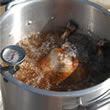
For succulent, juicy meat and crispy skin, try deep frying your turkey this year.
Halloween Party Tricks

By: Allrecipes Staff

Whether you're planning a blood-curdling haunted house, a costume contest or a pumpkin-carving party, we've got the know-how and recipes to fit.

The ghosts are out tonight! Feed those hungry spirits with homemade treats. Dress up your own goblins with homemade makeup.

Fiendish Foods


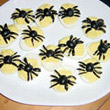
Peeled grape eyeballs and brain-shaped Jell-O molds are just the beginning. Use black olives to shape spiders on deviled eggs. Cut jicama sticks into bone shapes for a vegetable platter. Make pretzel "fingers" with blanched almond fingernails.

Creepy Crawly

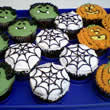
Make a pirate's hoard of spiderweb cupcakes, graveyard cakes and pumpkin cookies.

Swamp Thing


Learn how to make bubbling, steaming cauldrons of witches' brew in our Spooky Sipping article.

Edible Makeup

Before you head to a costume shop to buy a makeup kit, raid the pantry and try these recipes for foundation colors and special effects.

Basic Foundation

10 teaspoons (3 Tablespoons + 1 tsp.) cornstarch
2 teaspoons white flour
5 teaspoons vegetable shortening
1/8 teaspoon food coloring or fresh juices
1/4 teaspoon glycerin (available at cake decorating and craft stores)

1. In a small bowl, combine cornstarch and flour. Stir in vegetable shortening. Add any food coloring you would like. Stir in the glycerin; mixing until well combined.

2. Use your fingers or a makeup sponge to apply face paint. Use small brushes or your fingertips for detailed designs.

Warts, Scabs and Road Rash

Basic Goop Recipe

1 ounce gelatin (plain or flavored, depending on desired color)
2 tablespoons boiling water
Mix-ins as needed: couscous, paprika, colored sugar
4 tablespoons corn syrup

In a small bowl or cup combine gelatin and water. Mix and let set 3 minutes. It's now time to begin experimenting with the gelatin. There are a variety of techniques that can be used to create special makeup effects.

  • Warts, blisters, and general skin growths

Before the gelatin sets completely, make moles or blisters by dripping the liquid gelatin onto a ceramic plate and letting it set completely. When set, carefully peel the formations off of the plate. Stick them onto your child's body and face by using a drop of corn syrup as adhesive.

  • Apply color to growths, make additional growths and make convincing-looking blood

Use a spoon, popsicle stick, or other makeup applicators (including your hands) to apply the partially-set gelatin to your child's body and face. The gelatin will drip or clot depending on the degree of set it has reached. If the gelatin sets before you're ready, reheat it briefly in the top of a double-boiler or in a microwave for approximately 10 seconds on high until it thins out and the process begins again. Use a spoon to drip semi-liquid red gelatin over scars, scabs or out of wounds. After 3 to 5 minutes, the gelatin will set in very realistic-looking drips. If the gelatin doesn't set, let it sit another minute and try again.

  • Other gooey, slimy, stretchy effects

Let the gelatin set about 5 minutes. Stretch or grab gobs of the almost-set gelatin and string it or glop it as you desire. Attach to skin with corn syrup.

  • Add texture to the makeup

Stirring in mix-ins adds texture to the effects. Sprinkling colored sugar into the unset gelatin will make grainy textured effects, while sprinkling couscous or paprika on top of the globs once they've begun to set will make some wounds look scabbed over.

Dinners for Two

By: Vanessa Greaves & Carl Hanson

Great food begs to be followed by a great movie. Watch as love whips up mischief among residents of a small Oregon town in “Feast of Love;” look for it in theaters September 28th.

If the path to your lover's heart is via the stomach, these sumptuous meals will pave the way to a fine romance.

Plan an intimate affair fashioned around candlelight, music, flowers and sensuous food. Want to heat things up long before dinner reaches the table? Invite your sweetheart into the kitchen to help you with the cooking. Pour a glass of Champagne--a splendid aperitif--and share the pleasure of creating a memorable evening together.

To complete your meal, our Food and Wine Editor Carl Hanson shares his recommendations for the perfect pour.


Surf and Turf Temptation

"Serve a California Chardonnay with the Seafood Stuffed Avocados to complement the creaminess of the avocado and the mayo. A Cabernet Sauvignon is always a solid choice with steak."

Mediterranean Passion

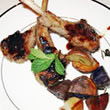
"Cabernet Sauvignon is delicious with Parmesan. It should also go well with the lamb. Try a Cabernet Sauvignon from the Columbia Valley, Yakima Valley or Walla Walla in Washington State; these cooler-climate Cabernets often have aromas and flavors of mint and herbs, which would pair nicely with the demi-glace. A Washington Merlot would be nice, too, for the same reasons."

Love Birds

"You could go with a Sauvignon Blanc or a white Bordeaux. Either one would be nice and versatile with these dishes. I'd be tempted to stick with a red here, like a Barbera from Italy's Piedmont region. It should work with the tomatoes in the mussels appetizer and shouldn't overpower the Cornish hens. A light Chianti Classico might be just as nice."

Lust for Lobster

"A white Burgundy or a Chardonnay should pair nicely all the way down the line here, working well with the creamy avocado, the slightly sweet grilled rock lobster and earthy flavors of the portobello mushrooms. Cooler-weather Chardonnays might also have apple aromas and flavors that would be nice with the apples and walnuts in the Waldorf Salad."

Garden of Eden

"I might stick with a red wine here. Milan is not too far from the vineyards of Piedmont, so I might be tempted to go semi-local and drink a Barbera. It should be nice with the mushrooms and the salad, and work well with the gorgonzola, too. Otherwise, try a Beaujolais from France. It would go nicely with the strawberries in the salad and will be light and acidic enough to deal with the gorgonzola. Beaujolais could be your best bet."